
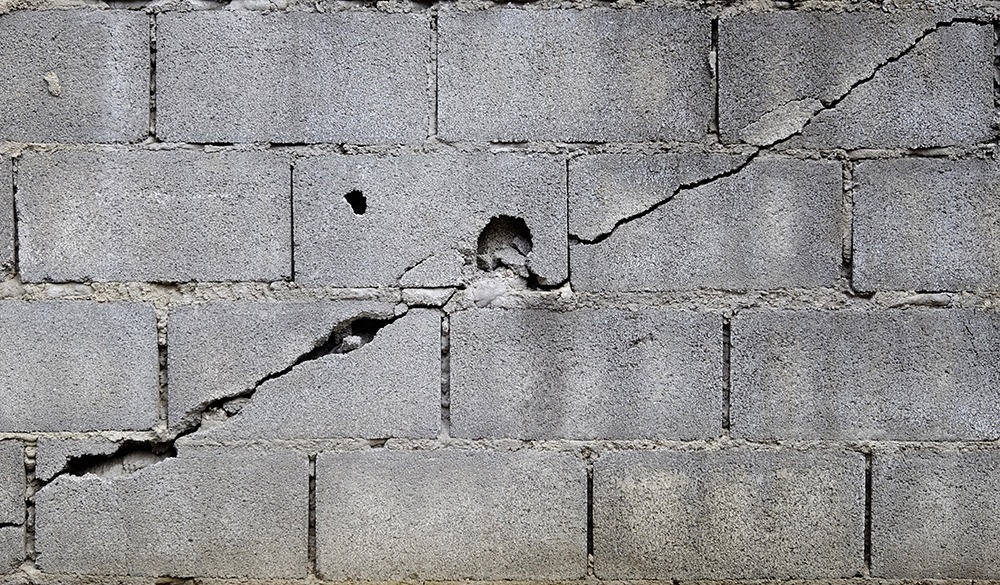
Construction Defects: Is Your Insurance Really Enough to Protect You?
Share:
In the world of construction, even the most careful contractor can face a construction defect claim. Whether it’s water intrusion, structural cracks, or alleged building code violations, lawsuits in this area can quickly spiral into six- or seven-figure battles. That’s why insurance isn’t just a safety net—it’s a critical part of doing business.
For contractors in Florida, where construction is booming and defect litigation is common, having the right mix of policies can mean the difference between protecting your company’s future and watching it collapse under the weight of legal fees and damages. But not all insurance policies are created equal, and not all provide the coverage you think they do.
Let’s break down the major types of insurance contractors should have, what each covers, and how they work together in defending against construction defect claims.
General Liability Insurance: The Cornerstone of Coverage
Commercial General Liability (CGL) insurance is the foundation of most construction insurance plans. It covers third-party claims for property damage and bodily injury caused by your work. For example, if a subcontractor’s faulty wiring leads to a fire, the CGL policy is likely the first line of defense.
Why It Matters in Defect Claims
Most construction defect lawsuits allege property damage resulting from defective work. CGL policies can cover:
- Defense costs (attorney’s fees can easily exceed $100,000).
- Settlements or judgments if covered damages are found.
- Claims arising from subcontractor work (depending on exclusions).
Important Note: Many CGL policies contain “workmanship exclusions” or “your work” exclusions. Contractors need to carefully review their policy language with an attorney to ensure they aren’t left exposed.
Professional Liability Insurance: Protecting Against Design and Supervision Claims
Sometimes called Errors and Omissions (E&O) insurance, this coverage applies when contractors are involved in design-build projects or provide supervisory services that go beyond basic construction.
Why It Matters in Defect Claims
If an owner alleges that design flaws or inadequate supervision led to defects, CGL coverage may not apply. Professional liability insurance fills that gap, covering claims of negligence tied to professional services rather than just physical construction work.
Pro Tip: Many contractors assume this is only for architects and engineers, but design-build contracts blur the lines. If your company takes on design responsibilities, professional liability insurance is critical.
Builder’s Risk Insurance: Safeguarding Projects Under Construction
Builder’s risk insurance covers property under construction against risks like fire, theft, vandalism, or weather damage. It’s not designed to cover completed work, but it plays a huge role during active projects.
Why It Matters in Defect Claims
While it doesn’t directly cover defect allegations, builder’s risk protects the project during construction. If a defect causes damage before completion (e.g., improper roof installation leading to water intrusion during a storm), this policy can provide relief.
Important Note: Builder’s risk policies are highly customizable. Contractors and owners should clearly define covered risks and responsibilities to avoid coverage gaps.
Umbrella and Excess Liability Insurance: Extra Protection for High-Stakes Claims
Construction defect lawsuits can easily surpass the limits of standard liability policies. Umbrella or excess liability insurance provides an additional layer of coverage once your primary policies are exhausted.
Why It Matters in Defect Claims
Florida’s history of catastrophic defect cases means contractors should anticipate the possibility of multi-million-dollar verdicts. Umbrella coverage ensures you’re not personally liable if damages exceed your CGL limits.
Statistic: According to industry data, the average construction defect lawsuit settlement in the U.S. ranges from $500,000 to $3 million, making excess coverage a smart investment.
Workers’ Compensation Insurance: Covering On-Site Injuries
Although not directly tied to defect claims, workers’ compensation insurance is essential. Construction sites are inherently risky, and employees injured during defective work may generate overlapping claims.
Why It Matters in Defect Claims
If a defect leads to a job-site accident, workers’ comp ensures medical expenses and lost wages are covered without additional liability for the contractor. Failure to carry workers’ comp in Florida can result in fines, stop-work orders, and exposure to lawsuits.
Pro Tip: Even independent contractors in construction may need coverage under Florida law. Always verify compliance to avoid penalties.
Contractual Risk Transfer: Insurance Is Only Part of the Puzzle
Smart contractors don’t just rely on insurance—they use contracts to shift risk. This includes requiring subcontractors to:
- Carry their own liability coverage.
- Name the general contractor as an additional insured.
- Indemnify the general contractor for their mistakes.
Why It Matters in Defect Claims
When a lawsuit is filed, everyone from the general contractor to individual subs may be named. Having clear contractual risk-transfer provisions ensures responsibility is shared fairly and insurance coverage is stacked for defense.
Important Note: Courts in Florida closely scrutinize indemnification clauses. They must be drafted with precision to be enforceable.
Avoiding Coverage Gaps: Common Mistakes Contractors Make
Even contractors who carry multiple insurance policies can get blindsided by exclusions, lapses, or misunderstandings. Common pitfalls include:
- Assuming subcontractor coverage automatically applies.
- Letting policies lapse mid-project.
- Failing to notify insurers promptly when claims arise.
- Overlooking exclusions for residential construction.
Case Example: In one Florida case, a contractor faced a multimillion-dollar defect claim only to discover their CGL policy excluded coverage for condo projects. The result? Bankruptcy.
Conclusion: Insurance as a Strategic Defense Tool
For contractors, insurance isn’t just about compliance—it’s about survival. General liability, professional liability, builder’s risk, umbrella coverage, and workers’ comp all play unique roles in protecting against construction defect claims.
The right coverage, paired with strong contracts and legal guidance, ensures contractors can focus on building rather than battling lawsuits. Without it, even one claim could sink a business.
Is Your Insurance Strong Enough to Defend Against Construction Defect Claims?
At DuFault Law, we help contractors review their insurance coverage, strengthen risk-transfer contracts, and defend against costly defect litigation. Don’t wait until you’re served with a lawsuit to find out you’re unprotected.
- Call us at (239) 422-6400
- Email us at contact@dufaultlaw.com
- Or Visit our Contact Page to schedule a consultation
Comments are closed